A septic tank collects wastewater from your home. Solids settle to the bottom as sludge. Grease and light waste float as scum. Pumping removes both layers so the tank can keep working.
Bakerchoice Septic is a referral service. It does not pump tanks. It matches your request with an independent provider in our network who serves Fremont and the Fremont area. The provider confirms details, gives a written quote, and schedules the visit. You spend less time searching and more time on your week.
You can use this page to learn the signs of a full tank, what a pumping visit involves, and what to ask before you book. Match, quote, schedule. That is the whole first step.
Tank Full or Overdue? Start Here
Slow drains, gurgling pipes, and sewage smells point to a full tank. Pooling water over the tank or drainfield is a bigger warning. The drainfield is the buried area where treated water soaks into the soil.
If you see these signs, act today. Waste can back up into sinks, tubs, and floor drains.
Request a callback to check provider availability.
What Happens as a Tank Overfills
Timing changes the outcome. Here is the usual pattern.
- First days: drains slow down and toilets flush weakly.
- Next days to weeks: solids spill past the tank into the drainfield and start to clog the soil.
- Longer term: the drainfield may fail. Repair or replacement costs far more than pumping.
Pumping early protects the part of the system that is hardest to fix.
Emergency Septic Cleaning
Sometimes a tank backs up into the house. Stop using water. Skip laundry, showers, and the dishwasher. Keep kids and pets away from any standing sewage.
Many providers can respond quickly to emergency septic cleaning requests. Availability depends on the provider and the day, so ask when you reach out.
Why Regular Pumping Matters
Pumping is routine care. It removes the sludge and scum that build up between visits. A tank that is pumped on schedule protects your drainfield and lowers the odds of a backup during a busy week.
It also keeps the cost predictable. A planned visit is easier to fit around work and school than a surprise backup.
How Often Should You Pump?
Most household tanks need pumping every three to five years. Your schedule depends on:
- Tank size
- Number of people in the home
- Water use, including laundry and long showers
- Use of a garbage disposal
A larger family in a smaller tank pumps more often. A provider can estimate a schedule once they know your tank.
What Happens During a Pumping Visit
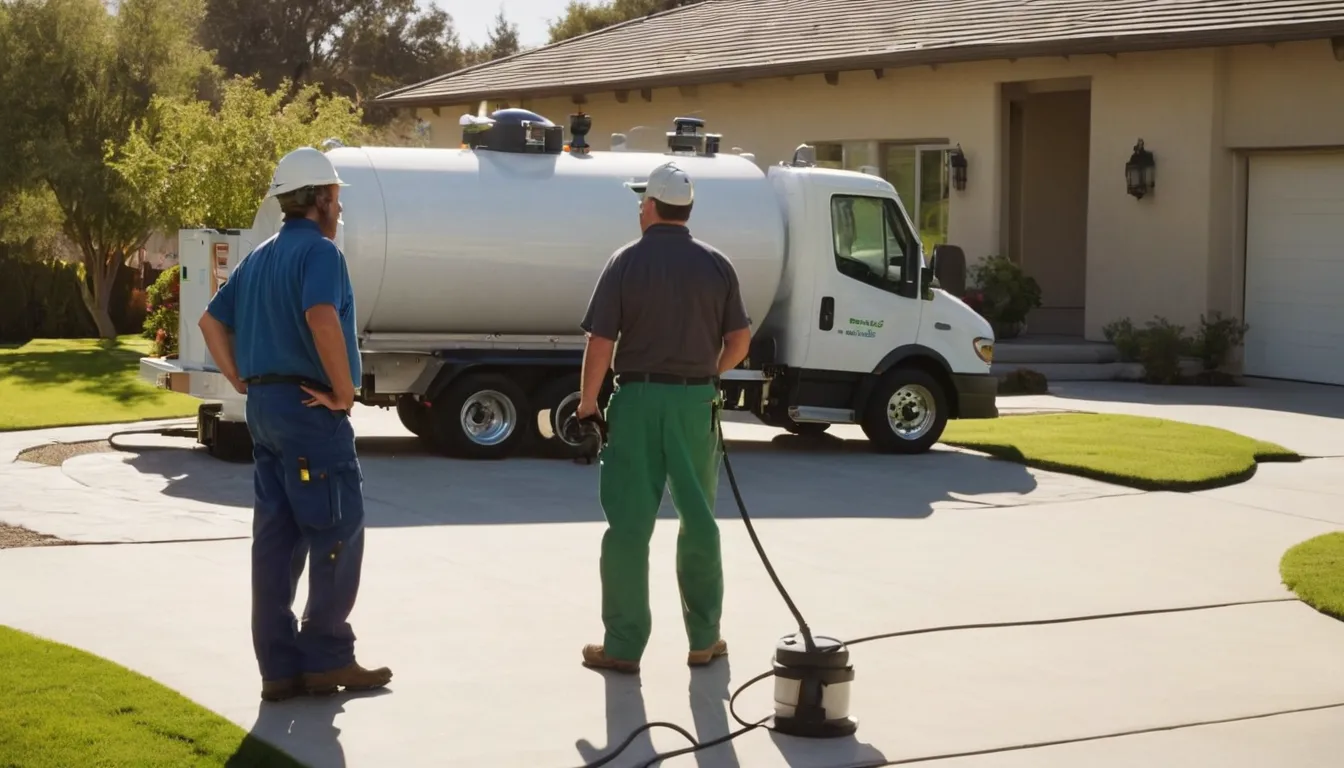
The provider locates the tank and opens the access lids. A hose and truck vacuum out the liquid, sludge, and scum. Many providers then check the tank's baffles. Baffles are the inner barriers that keep solids from leaving the tank.
Most visits are fairly short for a standard residential tank. Access, tank size, and buildup affect the length. Ask the provider for an estimate.
Prepare for the Visit
A little prep keeps the visit short.
- Clear a path to the tank and lids.
- Move cars, toys, and patio items.
- Secure pets indoors.
- Share any past records or a rough tank map.
If the lids are buried, tell the provider. Digging them up may add time and cost.
Pumping and Inspections
A pumping visit is a good moment to look inside the tank. Providers can often note cracks, worn baffles, or signs of water returning from the drainfield. Some will flag early drainfield repair needs.
Ask for notes in writing. They help you track the tank over time.
Buying or Selling a Home With a Septic System
Many lenders and buyers want proof that the tank was pumped and inspected. If you are selling, schedule the work before listing. If you are buying, ask the seller for pumping records.
Older tract homes and 1950s bungalows may have aging tanks. A provider can tell you what condition the tank is in.
Local Conditions in the Fremont area
Long dry seasons can leave the soil hard and the drainfield stressed. Winter rain events can saturate the ground and slow drainage. Plan pumping before the wet months, so the system starts the season with room to spare.
If your property also uses a private well, ask about water well service. Septic and well locations affect each other, and a provider can advise on both.
Caring for Your System Between Pumpings
- Spread laundry across the week.
- Fix leaking toilets and faucets.
- Keep grease, wipes, and flushable-labeled products out of drains.
- Keep vehicles and heavy equipment off the drainfield.
- Avoid harsh chemical cleaners in large amounts.
These habits take little time and protect the tank.
Questions to Ask the Provider
- Is the quote in writing, and what does it include?
- What is the tank size and how far will the hose need to reach?
- Will you inspect baffles and lids?
- How should I schedule the next pumping?
- What happens if the tank needs repair work?
Good answers up front make the visit smoother.
Ready to Plan Around Your Week?
Tell Bakerchoice Septic what is going on. The request goes to a local provider, who gives you a quote and schedules the work. Pump before problems start.
What's Included
Tank Pumping
A provider vacuums out liquid, sludge, and scum so your tank has room to work again.
Lid and Baffle Check
Many providers look at access lids and inner baffles while the tank is open.
Written Quote Upfront
The provider explains the price before work starts, so there are no surprises later.
Scheduling Around You
Share your week and the provider works to find a visit window that fits your routine.
Typical Septic Pumping Costs
Prices vary by tank size, access, region, and how full the tank is. These are typical U.S. ranges only. Always get a written quote from the provider before work begins.
| Item | Typical range | Notes |
|---|---|---|
| Standard pumping (1,000 gal) | $300 – $600 | Common size for smaller homes |
| Larger tank (1,500+ gal) | $450 – $900 | More volume, longer visit |
| Emergency septic cleaning | $500 – $1,000 | Depends on provider availability and urgency |
| Digging up buried lids | $100 – $400 | Needed when lids are not exposed |
| Riser installation | $300 – $800 | Makes future access easier |
| Inspection with pumping | $150 – $500 | Often an add-on to the visit |
How It Works
Send Your Request
Request a callback or use the form to describe your tank, any symptoms, and when you are home.
Get Matched
Bakerchoice Septic connects you with an independent local provider in our network.
Review the Quote
The provider shares a written quote and explains what the visit includes.
Schedule the Visit
Pick a time that fits your week. The provider handles the pumping and tank check.
Why Call Bakerchoice Septic
One Short Request
You share the basics once and Bakerchoice Septic passes them to a local provider, saving you from calling around.
Local Providers
Providers in our network serve Fremont and nearby areas and know local soil and homes.
Clear Next Steps
You hear what happens next: the quote, the schedule, and what to prepare.
No Obligation
Requesting an estimate does not commit you to hire anyone. You decide after the quote.
Other Services
Need septic tank pumping in Fremont?
Have a septic or sewer problem? Request a callback to check provider availability, or send a request and a local provider can follow up with next steps.
No obligationSeptic Tank Pumping FAQ
- How often should a septic tank be pumped?
- Most household tanks need pumping every three to five years. Tank size, number of people, and water use change that. A local provider can suggest a schedule after checking your tank.
- What are the signs my septic tank is full?
- Look for slow drains, gurgling pipes, sewage smells, and wet spots over the tank or drainfield. Backups inside the home are urgent. Stop water use and contact a provider.
- How much does septic tank pumping cost?
- Typical U.S. prices run from about $300 to $600 for a standard tank. Size, access, and region matter. Get a written quote from the provider first.
Tell us what happened
Have a septic or sewer problem? Request a callback to check provider availability, or send a request and a local provider can follow up with next steps.
No obligation